

Promotions
Remember to scan your Club+ card to save with Club+ Deals! Plus, get more out of your grocery shop with our weekly deals and Everyday Low Price.
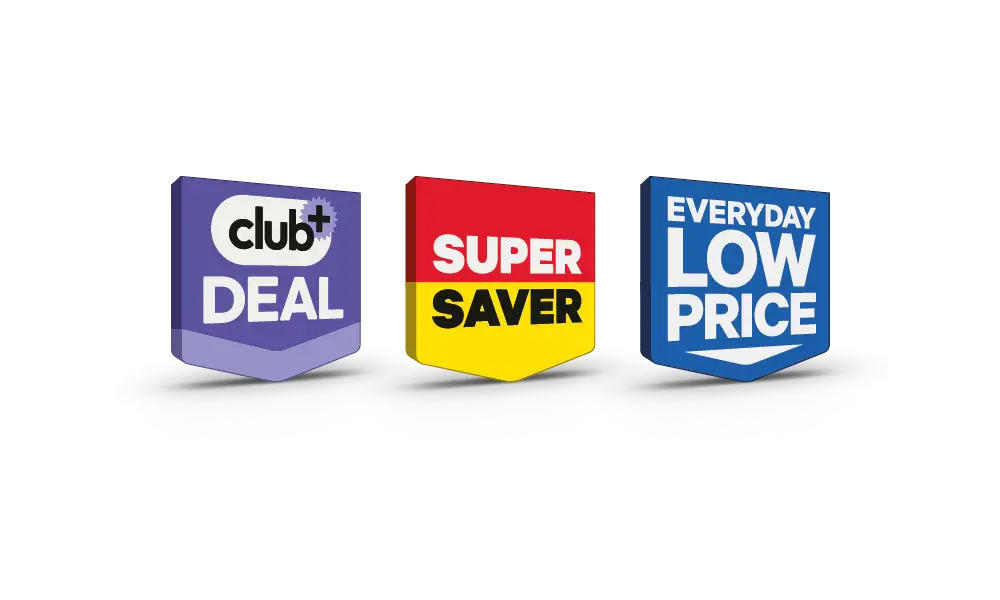
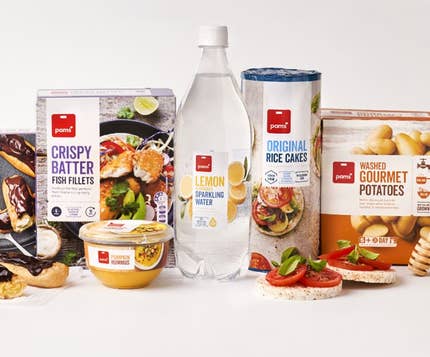
Save money on the products you love with our huge range of specials in store and online every week. And with our range of Own Brands Pams and Value that offer quality products at affordable prices, getting more out of your grocery shopping is easy!
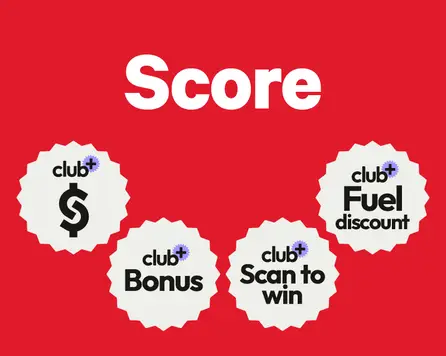
Remember to scan your Club+ card with every shop to score Club+ Dollars and fuel discounts. You also get to save on your shop with special Club+ Deals and by spending your Club+ Dollars whenever you choose.
3 ways to save every day
Look out for these deals in store and online to help you save on your grocery shop.


Shop Specials


12
99
kg
$12.99/1kg
Kiwi Blue Still Spring Water
1.5l
0.
99
$0.66/1L

1
19
ea
$0.79/1L

5
49
kg
$5.49/1kg

4
49
kg
$4.49/1kg
Coca-Cola Soft Drink
2.25l
3.
99
$1.77/1L

5
49
ea
$2.44/1L

1
79
ea

6
99
kg
$6.99/1kg
Copper Kettle Honey Soy Chicken Potato Chips
150g
2.
89
$1.93/100g
Limit 12 assorted

5
19
ea
$3.46/100g

19
99
kg
$19.99/1kg
Copper Kettle Sea Salt Potato Chips
150g
2.
89
$1.93/100g
Limit 12 assorted

5
19
ea
$3.46/100g

4
29
ea
$0.72/ea
Henergy Cage Free Size 8 Eggs
10pk
7.
79
$0.78/ea

8
99
ea
$0.90/ea
Vogel's Original Mixed Grain Toast Bread
750g
4.
99
$0.67/100g
Limit 12 assorted

5
51
ea
$0.73/100g

8
49
ea
$3.40/100g

7
99
kg
$7.99/1kg

6
99
kg
$6.99/1kg
Olivani Olive Oil Spread
500g
4.
99
$1.00/100g
Limit 8 assorted

6
59
ea
$1.32/100g
Paseo Pure Luxury 3 Ply Long Toilet Tissue
8 x 270 sheets
7.
59
$0.35/100 sheets
Limit 12

10
19
ea
$0.47/100 sheets
Vogel's Original Mixed Grain Sandwich Bread
750g
4.
99
$0.67/100g
Limit 12 assorted

5
51
ea
$0.73/100g
Vogel's Original Mixed Grain Very Thin Bread
750g
4.
99
$0.67/100g
Limit 12 assorted

5
51
ea
$0.73/100g
1 / 0
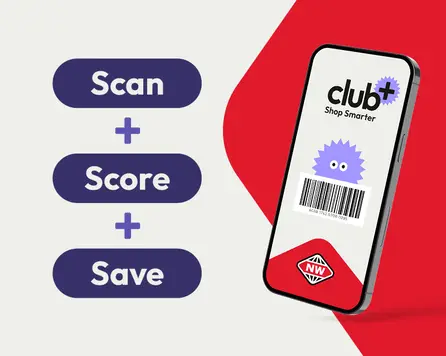
Scan your Club+ card with every shop at New World, big or small

Scan
Scan your Club+ card with every shop, big or small. One card for all three supermarkets!
Score
Score Club+ Dollars and a fuel discount with every shop on qualifying purchases, plus games and bonus offers helping you score more!

Save
Save on every shop at New World with special Club+ Deals and by spending your Club+ Dollars whenever you choose.
1 / 0
Not a Club+ member yet? Don't miss out!
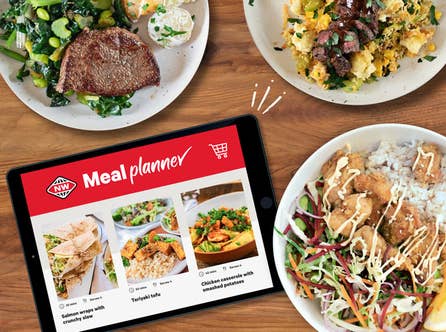
Planning tips and hacks to help you save



1 / 0

Smarter shopping is here
Scan your Club+ card with every shop to score Club+ Dollars and fuel discounts. Plus save on your shop with special Club+ Deals and by spending your Club+ Dollars whenever you choose.
1 / 0