

Christmas Pork 101: Roast Pork, Crackling and Serving Ideas
Get New World guidance on roast pork for Christmas, including crackling, seasonings, cooking, doneness and sauce ideas.
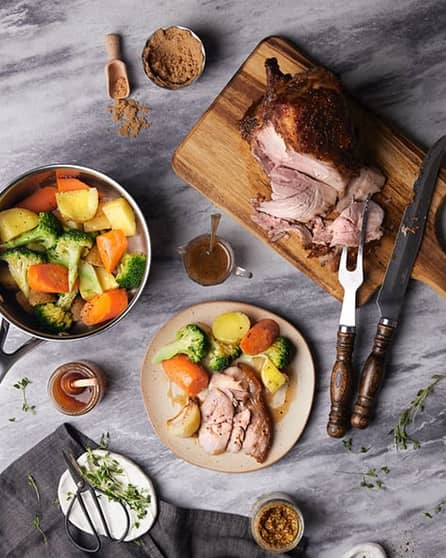
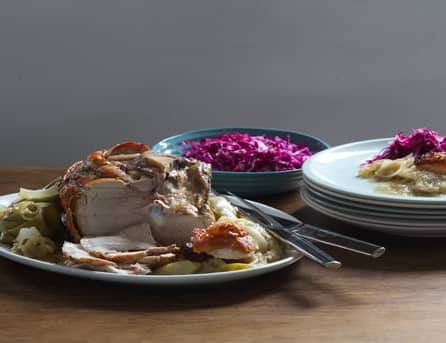
Nothing brings the family to the table like a Christmas pork roast. With golden, crackling-topped skin, juicy meat and a rich, savoury aroma filling the kitchen, it's a true centrepiece that makes the meal feel like an occasion. Pork is generous, easy to carve and share, and pairs beautifully with summer salads, roast vegetables and all the trimmings, so there's something for everyone to enjoy. This guide is all about roast pork and covers choosing your roast, getting great crackling, seasoning, checking when it's cooked, and great sauces/gravies to accompany. Ready to start? Browse our Christmas pork roast recipes below.
How Do I Choose a Pork Roast for Christmas?
Not sure which pork roast to choose?
Pork leg is a leaner cut that’s perfect for a classic roast, giving you beautiful slices and delicious crispy crackling.
Pork shoulder has a little more intra muscular fat, making it extra juicy, tender and full of flavour, especially when cooked low and slow. If you love a traditional roast with all the trimmings, go for pork leg; if melt-in-your-mouth, succulent pork is what you’re after, shoulder is a great choice.
Whichever you choose, both are perfect for bringing everyone together around the table
How Do I Get Good Crackling on a Pork Roast?
There’s nothing quite like golden, crunchy pork crackling, and the secret is simpler than you might think. Dry skin, a splash of oil, plenty of salt and a good blast of heat are the three things that make all the difference.
1. Dry the skin really well
Moisture is the enemy of crispy crackling. Pat the pork skin thoroughly with paper towels, getting it as dry as possible. For even better results, place the pork uncovered in the fridge for at least an hour, or ideally overnight. This helps dry the rind before it goes into the oven.
2. Score the rind
If your pork hasn't already been scored, use a very sharp knife to make lines across the rind at roughly 1cm intervals. Cut through the skin and into the fat but avoid cutting all the way through into the meat, as juices from the meat can add unwanted moisture to the skin.
3. Oil and salt generously
Rub about 1 tablespoon of oil over the skin, and then cover liberally with salt, making sure you work both oil and salt right into all those score lines. Salt helps draw moisture from the skin and encourages it to puff and crisp, so don't miss any patches.
Top tip: Keep marinades, sauces and wet seasonings away from the rind. Add your garlic, herbs and other flavours to the meat instead so the skin stays as dry as possible.
4. Start hot
Crackling loves heat. Get the oven to 240°C fan bake, put in the roast and cook until the rind begins to blister and crackle until rind begins to blister and crackle. Then reduce the oven to 170°C to finish cooking the pork.
5 Check the pork, not just the clock
Cooking time will vary depending on the size and cut of your roast, so a meat thermometer is the easiest way to check doneness. Aim for 71°C (medium).
As a general guide, roast your pork at 170°C for around 30–35 minutes per 500g.
6 Still not crispy? Give it one final blast
If the pork is cooked but some of your crackling hasn't quite crisped up, don't panic. Carefully remove the crackling from the roast, placing it back on the tray and cook it at 220°C for around 10 minutes to get it super crispy. Keep a close eye on it, as it can go from golden to burnt quickly at high heat!
7. Let the pork rest
Once cooked, rest your pork for around 10–20 minutes before carving. Keep the crackling uncovered or only very loosely covered while the meat rests, as trapping steam around that beautifully crisp skin can soften it
The golden rules of crackling
- Dry skin = better crackling.
- Score the rind so the heat and salt can get in.
- Work salt into every score line.
- Keep liquids and marinades off the skin.
- Start with a really hot oven to get the skin blistering.
- If it needs help at the end, give the crackling another short blast of high heat.
What Spices Should I Put on a Pork Roast?
There are plenty of ways to add flavour to your pork roast, from classic herbs and spices to something a little more adventurous. Rub your chosen seasonings over the sides and underside of the pork, keeping them away from the skin so your crackling has the best chance of becoming beautifully golden and crisp.
Popular flavours for pork include:
- Fennel seeds: sweet, aromatic and a classic match for pork.
- Garlic: a great savoury base that works with almost any flavour combination.
- Rosemary: fragrant and perfect for a traditional roast.
- Sage: earthy and warming, especially good for a Christmas roast.
- Smoked paprika: adds warmth, colour and a gentle smokiness.
- Cumin & coriander: a delicious combination for a warmer, spiced roast.
- Mustard powder: adds a subtle savoury kick.
- Five spice – ideal for an Asian-inspired twist.
How Do I Know If My Pork Is Cooked Without a Thermometer?
Measuring the internal temperature is the safest method of ensuring your roast is fully cooked. If you're unsure whether your pork is cooked, give it a little longer in the oven rather than relying on colour or juices alone.
What Sauce Goes with Roast Pork?
Don’t forget the sauce! A great sauce or gravy can take your roast pork to the next level. Keep things classic with apple sauce or a rich gravy made from the pan juices, add some zing with mustard, or try something fresh and herby like salsa verde.
For a festive twist, cranberry and apple sauce is delicious, while plum sauce pairs beautifully with Asian-inspired pork.
- Apple sauce: a classic pairing, with sweet and tangy flavours that cut through rich roast pork.
- Traditional gravy: use the roasting juices and stock to create a rich, savoury gravy.
- Apple & cider gravy: a delicious combination of savoury pan juices and subtle fruity sweetness.
- Mustard gravy: add wholegrain or Dijon mustard for a little extra warmth and tang.
- Sage & onion gravy: herby, savoury and perfect for a traditional roast.
- Honey mustard sauce: sweet and tangy, and delicious with both hot and cold pork.
- Cranberry & apple sauce: a festive twist on classic apple sauce.
- Plum sauce: a great match for pork flavoured with five spice, ginger or other Asian-inspired seasonings.
- Chimichurri: fresh herbs, garlic and vinegar add freshness to rich roast pork.
- Salsa verde: fresh and zingy, with herbs and capers that pair beautifully with pork.
How Do I Cook a Pork Roast with Crackling in the Oven?
As a general guide, roast your pork at 170°C for around 30–35 minutes per 500g.
New World Christmas Pork Roast Recipes


1 / 0