

New Zealand’s Best Low-Carb Beer for 2026
Light, crisp and refreshingly dry low-carb beers can be enjoyed by everyone
Low carb beer
Low carb beer is on a roll at the moment — it’s the fastest growing sector in the beer world as consumers make “lifestyle” choices around what they’re drinking.
There are many reasons to choose a low carb beer — it could be that you’re on a ketogenic diet, or just trying to reduce the carbohydrate you consume. Or it could be for more important reasons such as having Type 1 diabetes.
Beers labelled “low carb” have been tested and should come with nutritional panel telling you how many carbs per 100ml they contain. A good guideline is that a low carb beer should have 1-2g of carbohydrate per 100ml.
It’s important to note that low carb does not equal low calorie, though in the case of the beers listed here, some are definitely lower in calories as well. A beer’s ABV (alcohol by volume) will play a big part in the total calories as alcohol sits somewhere between carbohydrate and fat in its calorie density, so if cutting calories is your thing do make sure you check the labels.
And you don’t have to go looking for a low carb label to find all the beers that are naturally lower in residual sugars (also called dextrins).
Many traditional styles, such as Belgian-style farmhouse ales and saisons, as well as wild ferment ales are naturally low in residual sugar. This is because the yeast that creates these beers is naturally “high-attenuating” — ie it eats all the sugars available.
On the other hand, more malt-driven, sweeter beers such as milk stouts and Baltic porters will have higher levels of carbohydrate, as will many hazy IPAs which often feature the addition of wheat and oats to beef up the carb count!
What is a low-carb beer?
A low-carb beer is a beer that has undergone a specialised brewing process to remove nearly all of its residual sugars, resulting in a drink that is lighter in body, with a crisp, dry finish. A typical New Zealand beer contains 10-12 grams of carbohydrates per serve (330ml). Low-carb beer has fewer carbohydrates containing between 2-3 grams of carbs per serve.
How do low-carb beers compare to other beers?
The "mouthfeel" of a typical beer is largely created by residual sugars and proteins. Because low-carb brewing uses enzymes to eat every last bit of sugar, the resulting liquid is much thinner and lighter. To overcome this, many are highly carbonated to create a fuller feel. Below we compare the calorie and alcohol content.
Do low-carb beers have fewer calories?
A 330ml serve of standard beer typically contains 140 kcal compared to a low-carb beer with just 100 kcal. However, low-carb beers can still be high in calories, so if you’re watching your waistline, check the beer’s nutrition label first.
Most of the calories in beer don’t actually come from carbs - they come from alcohol. Alcohol is nearly twice as calorie-dense as carbohydrates, so a "full-strength" low-carb beer will still contain significant calories from its alcohol content. A beer with a low alcohol content may be a better choice for weight-conscious drinkers.
- Alcohol contains 7 calories per gram.
- Carbohydrates contain 4 calories per gram.
Low-carb beers aren't always lower in alcohol?
A low-carb beer is not automatically a low-alcohol beer. In fact, many low-carb options in New Zealand are brewed to be "full-strength," typically sitting between 4.0% and 5.0% ABV, while others are "mid-strength," usually falling within the 3% to 3.5% ABV range.
Marketing often focuses on "lightness," so it’s easy to assume the alcohol content is lower too, but you can find plenty of low-carb lagers that pack the same punch as a standard draught.
The reason these two factors are separate comes down to the brewing process. Most carbohydrates in beer come from residual sugars that the yeast didn't "eat" during fermentation. To make a low-carb beer, brewers often add specific enzymes to break down those complex starches into simpler sugars, allowing the yeast to ferment them almost entirely away. Since alcohol is the byproduct of that fermentation, a beer can have nearly zero sugar left (low-carb) while still reaching a high alcohol volume.
Beer type | Carbs per bottle | Calories per bottle | Alcohol ABV | Characteristics |
Regular beer | 10-12g | 140 kcal | 4%-5% | Fuller mouthfeel, more filling |
Low-carb beer | 2-3g | 100 kcal | 3%-5% | Lighter, thinner with short, dry finish and high carbonation |
Ultra-low-carb beer | 0.5-1.5g | 88 kcal | 4.2% | Very light, dry and highly carbonated |
Shop Low Carb Beer


1 / 0
Popular types of low-carb beers you'll find in NZ
You’ll find a wide spectrum of low-carb beers in New Zealand. In fact, it's one of the fastest growing sectors, so you may be surprised by the variety on offer.
Traditional Belgian ales
Before you go looking for a low-carb label, check out the range of traditional Belgian-style ales and saisons that are naturally low in residual sugar. This is because the yeast that creates these beers is naturally “high-attenuating” — ie it eats all the sugars.
Low-carb and ultra-low-carb lagers
This is the most common category of low-carb beers and these are often marketed as "99% carb-free." Low-carb lagers are brewed longer to naturally reduce carbs while maintaining a full-strength alcohol kick. Ultra-low-carb lagers are the "lightest" options, often containing as little as 0.5g to 1.7g of carbs per bottle. Most sit at a standard 4.2% ABV and around 88 calories, offering a very dry, crisp, refreshing finish.
Popular NZ examples include Speight’s Summit Ultra, Steinlager Ultra, and Boundary Road Brewery Ultra Low Carb Lager.
Low-carb mid-strength beers
If you’re looking to reduce both carbs and alcohol, mid-strength beer options are the way to go. In addition to their lower alcohol content - typically between 2.5% and 3.5% ABV, the calorie count is lower (88kcal) than a full-strength low-carb beer.
While many standard mid-strengths like Speight’s mid-strength ale aren't strictly "low-carb," the category is merging as more "light" versions of popular brands enter the market.
Low-carb craft beers - Pale ales, IPAs and XPAs
INZ brewers have pioneered low-carb craft beers, proving that you don't have to sacrifice flavour for a lower carb count. These beers use heavy dry-hopping to provide aroma and "perceived sweetness" without the actual sugar. Pale ale & XPA options provide the tropical, citrusy hit of a standard pale ale but with roughly 50% fewer carbs.
Even the typically "heavy" hazy IPA style has low-carb versions available now, such as Mac’s Slim Hazy Low Carb Hazy IPA (5% ABV) and the award-winning Urbanaut Beat Street Hazy IPA and Urbanaut Copacabana Brut IPA featured below. These use clever brewing techniques to keep a fruity profile while stripping away the residual sugars.
As New Zealand brewers continue to innovate in the low-carb space, finding the perfect balance between flavour and nutrition has never been easier.
Best New Zealand low carb and low alcohol 2026
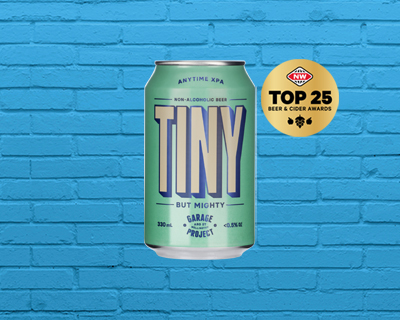
Garage Project Tiny Non-Alc IPA
Type of beer: Non-Alcoholic
Brewery: Garage Project
Flavours: All the juicy IPA flavour, with less than 0.5% alcohol. Punchy hops, mouthwatering bitterness and a whole lot of character - proof that big things really do come in tiny packages.
For more on this beer visit: https://garageproject.co.nz/
Buy this beer: Visit online shopping
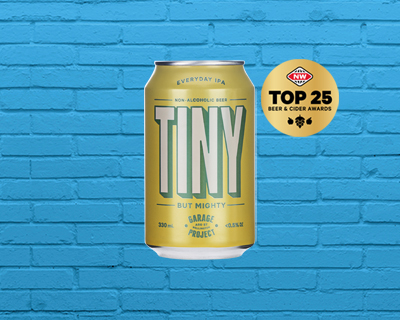
Garage Project Tiny Non-Alc XPA
Type of beer: Non-Alcoholic
Brewery: Garage Project
Flavours: All the juicy XPA flavour, without the alcohol. Tropical hops, big aromatics and a whole lot of attitude - tiny in alcohol at less than 0.5%, mighty in flavour.
For more on this beer visit: https://garageproject.co.nz/
Buy this beer: Visit online shopping
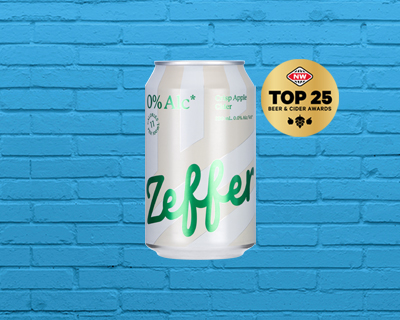
Zeffer 0% Crisp Apple Cider
Type of beer: Non-Alcoholic
Brewery: Zeffer
Flavours: Hawke's Bay apples, carefully crafted and spun alcohol-free. Lightly sparkling, off-dry and full of crisp apple flavour - only 39 calories and <0.05% alcohol.
For more on this beer visit: https://zeffer.co.nz/
Buy this beer: Visit online shopping
What do low-carb beers taste like?
 |  |  |  |
Crisp & Clean | Light & Dry | Low sweetness | Low bitterness |
Why choose a low-carb beer?
There are many reasons to choose a low-carb beer. It could be part of a broader lifestyle shift or simply because you want to reduce the carbohydrates you consume. Perhaps you are on a ketogenic diet. Or it could be for more important health reasons such as having Type 1 diabetes. Whatever your reason, these brews offer a great way to enjoy a cold beer without the heaviness of a traditional ale or stout.
Here are some of the primary motivations behind a move to low-carb beer options:
- Reduced carbohydrate intake
- For those following specific dietary plans like Keto or Paleo, low-carb beers provide a way to stay within daily limits while still participating in social settings.
- Active and fitness-focused lifestyles
- Many people find that lighter, low-carb options feel less "filling," making them a popular choice for those who want to enjoy a beer after a workout without feeling sluggish.
- A lighter social experience
- Sometimes you just want a beer that’s crisp and easy-drinking. Low-carb varieties often have a cleaner finish, making them ideal for long afternoons, barbecues, or events where you’d prefer a more sessionable brew.
How to choose a low-carb beer
- If you want the lightest option, choose an ultra-low-carb lager like Export Ultra
- If you want more flavour with low-carb, try a full-strength Mack Isbjorn Low Carb Pilsner
- If you’re looking for moderation, try this low-carb mid-strength Good George Social League Low Carb Hazy IPA
What to check on the label
In New Zealand, any "low-carb" claim on a beer label triggers the legal requirement for a Nutrition Information Panel under FSANZ standards, ensuring transparency for the consumer. Here’s what to look for:
- Carbohydrates
- Low-carb less than 3g of carbohydrates per 330ml serving
- Ultra-low-carb 0.5g - 1.5g of carbohydrates per 330ml serving
- A sugar content of less than 0.1g, indicating a thorough fermentation process
- Alcohol ABV
- To balance flavour with lifestyle goals, look for a beer with an ABV between 3% and 5%.
- Calories
- A calorie range from 88 to 100 kcal
Pairing low-carb beers with food
Apart from the fact that low-carb beers tend to be light and crisp, their low-carb versions pair equally well with the same foods as their standard versions of beer.
- Grilled meats and BBQ
- Mediterranean salads
- Seafood
- Chicken
Discover more beer and food pairing ideas.
Common myths about low-carb beer debunked
To help you make an informed choice, we debunk some of the common myths Kiwis have about low-carb beer.
This is perhaps the biggest misconception. In the past, when the term "light" was used it often meant "bland," but modern NZ craft brewers now use clever hopping techniques to ensure a low-carb profile doesn't mean a lack of flavour. By using aromatic hops brewers can now create a vibrant, citrusy, or tropical flavor profile with a crisp, "dry" finish that many find more refreshing than a heavy, sugary lager.
While these beers fit well into specific dietary plans like Keto or general carb-reduction, they aren't "health drinks." In New Zealand, food standards (FSANZ) are strict about this. Brewers can make nutritional claims like "low-carb", but they are prohibited from making broad health claims that suggest the beer will improve your well being or prevent weight gain.
People often confuse low-carb beers with low-alcohol beers, but they are technically very different. In fact, many low-carb beers in New Zealand are full-strength, sitting between 4% and 5% ABV.
Some think that brewers just dilute standard beers to lower the carbs but they don’t. Authentic low-carb craft beers are actually made using specific enzymes in a brewing process where the yeast eats almost all the complex sugars. The resulting beer is dry and light but still maintains a full-strength alcohol profile and hop character.
Low-carb beer is more than a lifestyle beer
Low-carb is the fastest-growing beer sector, as consumers make “lifestyle” choices around what they’re drinking. As they continue to rise in popularity, “Ultra” has become their shorthand in countries like the USA and New Zealand. Beyond their low-carb appeal, these beers have a lovely, light and dry quality that can be appreciated by everyone.
However, there are a huge group of Kiwis, who find that low-carb beers allow them to still enjoy the things they love, whilst managing a serious health condition such as Type 1 diabetes. For others who are trying to restrict carbs these beers provide access to the treats they might otherwise have to do without.
If you’re thirsty to learn more about different types of New Zealand beers, we have More beer shopping guides to check out below or read our guide to craft beer:
Thirsty for more?
Explore these related beer pages



1 / 0